
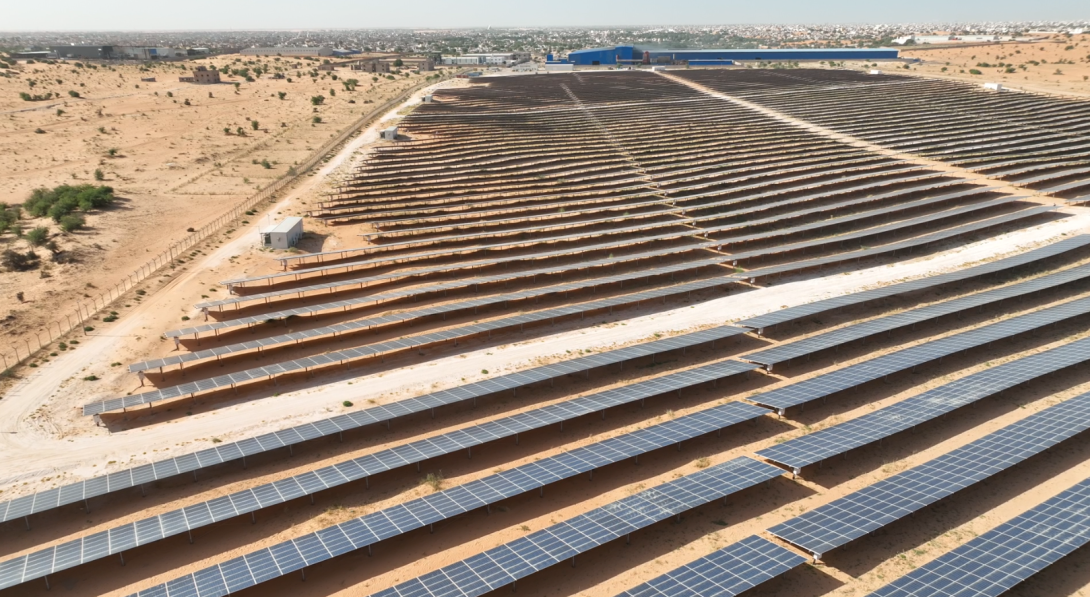
Energy Transition in Mauritania: Towards a Sustainable and Just Future
Mauritania is one of the first countries to sign the UN climate agreements. For decades, the country has reaffirmed its commitment to contributing to global efforts to combat climate change and reduce carbon emissions. Mauritania actively participates in the annual Conference of the Parties (COP), where it presents detailed reports on its energy policies and renewable energy efforts.
As part of these efforts, the Mauritanian government launched an ambitious vision for energy transition during a conference held on May 2, 2022, in Nouakchott. This vision is based on an equitable, just, and secure approach aimed at ensuring access to clean energy for all, enhancing energy security, and fostering sustainable economic development.
Through its energy strategies, Mauritania aims to develop major projects in the field of renewable energy, taking advantage of its strategic geographic location near Europe and its abundant natural resources in solar and wind energy. The country has signed several international agreements with global partners to finance its energy projects, thereby strengthening its position as a leader in clean energy in Africa.
Mauritania and Climate Change: Significant Environmental and Economic Losses
Mauritania faces significant environmental challenges due to rapid climate change, including rising temperatures, decreased rainfall, and progressive desertification of agricultural land, which have directly impacted its natural resources and national economy.
- Degradation of Vegetation Cover: Due to desertification and water scarcity, Mauritania has lost vast agricultural and grazing areas, leading to low agricultural production and increased dependence on food imports.
- Decline in Livestock: The livestock sector has been one of the most affected, with repeated droughts causing the death of many animals, severely impacting food security and rural livelihoods.
- Loss of Biodiversity: The country has lost a significant portion of its biodiversity due to the degradation of natural ecosystems, affecting vegetation cover, wildlife, and threatening the extinction of some local species.
- Coastal Erosion: Rising sea levels and climate change have put Mauritania’s coastal areas at risk of flooding and marine erosion, compromising coastal infrastructure and affecting local communities.
- Increased Sandstorms: Climate change has intensified sandstorms and desertification, affecting air quality and public health, especially in inland areas.
These challenges make the energy transition in Mauritania imperative. Renewable energy represents a major solution to combat climate change impacts and ensure sustainable development that protects natural resources and preserves the environment.
A Strategic Position for Mauritania to Become a Leader in Renewable Energy
Due to its unique geographic position, Mauritania has immense potential in renewable energy, positioning it well to become a regional hub for clean energy production and export.
- Abundant Solar Resources: Mauritania benefits from one of the highest solar irradiation rates in the world, with a solar energy production capacity of 2,300 kWh per square meter per year. This offers the opportunity to produce large-scale solar electricity, reducing costs and enhancing energy security.
- Great Wind Potential: The country has wind speeds ranging from 9 to 12 m/s, making it suitable for large-scale wind farms. Wind energy can generate clean electricity at competitive costs, contributing to environmental sustainability.
- Proximity to European Markets: Thanks to its geographical location, Mauritania enjoys a major competitive advantage, being able to export clean energy to Europe, which is seeking to reduce its reliance on fossil fuels. The country is working on projects to export electricity and green hydrogen to European markets, which will increase its revenue and attract foreign investments.
- Vast Land for Energy Projects: Mauritania has vast unused areas that can be utilized for large-scale energy projects, making it easier to expand renewable energy production.
- Government Commitment to Support Clean Energy Investments: The Mauritanian government has implemented incentive policies for renewable energy investments, increasing the country's attractiveness to global companies.
International Agreements to Support Mauritania’s Energy Transition
Recognizing the importance of international cooperation, Mauritania has signed several partnership agreements with international players aimed at strengthening energy production and benefiting from the latest technologies in clean energy.
- Agreements with Global Companies: Mauritania has signed agreements with European and Asian companies to develop solar, wind, and green hydrogen projects. These agreements include significant investments to build solid infrastructure and ensure the transfer of modern technologies to the country.
- Cooperation with International Financial Institutions: The country has received financial support from development financing institutions such as the World Bank and the African Development Bank, which facilitates the financing of energy transition projects.
- Partnership with the European Union: Mauritania has signed agreements with the European Union to strengthen clean energy exchange and take advantage of the growing European market.
- Collaboration with International Environmental Organizations: The country collaborates with the United Nations Environment Programme and global climate organizations to develop policies to reduce carbon emissions and support energy transition.
- Green Hydrogen Projects: Mauritania has signed agreements to develop green hydrogen production, opening up new prospects in the global clean energy market.
Promising Prospects
With an ambitious strategic vision, a favorable geographic location, and strong international partnerships, Mauritania is on its way to a complete energy transition, ensuring resource sustainability, economic development, and environmental impact reduction.
Mauritania is set to become one of the leading players in the global renewable energy market, particularly with the continuous implementation of clean energy projects, infrastructure strengthening, and attracting investments. This will make it a model for a just and sustainable energy transition in Africa and around the world.