
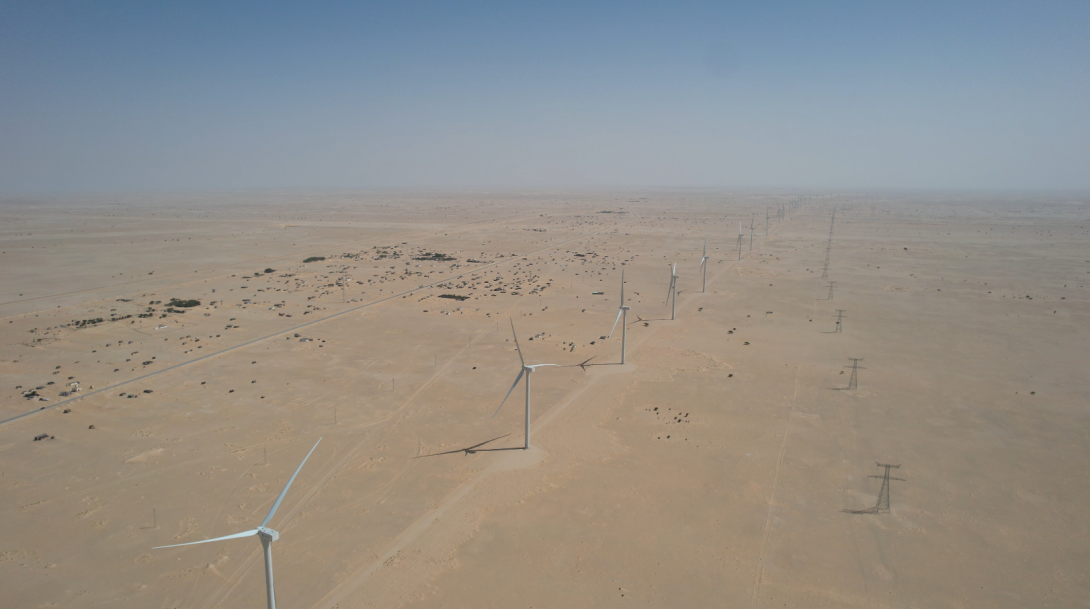
Mauritania stands out as one of the most promising countries in the development of hydrogen, both green and blue. With its vast natural resources of gas and renewable energy, the country is on track to become a key player in the global hydrogen market, a strategic element in the energy transition towards clean and sustainable sources.
Exceptional Potential for Blue Hydrogen Production
With gas reserves estimated at around 100 trillion cubic feet (Tcf), Mauritania possesses one of the strongest foundations in Africa for blue hydrogen production. This type of hydrogen is produced from natural gas using carbon capture and storage (CCS) technologies, helping to reduce carbon dioxide (CO₂) emissions.
Thanks to the massive reserves in the Greater Turtle Ahmeyim (GTA) and Bir Allah fields, which exceed 110 trillion cubic feet, Mauritania has the necessary resources to establish a competitive and sustainable blue hydrogen industry, capable of meeting the needs of both African and international markets.
Great Potential to Lead in Green Hydrogen Production
In addition to its gas resources, Mauritania has immense potential in renewable energy. Its solar and wind power generation capacity exceeds 4,500 GW, enabling it to produce tens of millions of tons of green hydrogen annually.
Green hydrogen is produced through the electrolysis of water using 100% renewable energy, and it is considered one of the key future energy sources for reducing carbon emissions in the industrial and transport sectors globally.
According to climate data, solar energy productivity in Mauritania ranges between 2,000 and 2,300 kWh per square meter annually across the country. The onshore wind speed reaches approximately 9 meters per second throughout the year, making it an ideal location for wind energy development.
Offshore, wind speeds reach up to 12 meters per second, making it one of the best global sites for offshore wind energy production, and therefore for producing green hydrogen at a competitive cost.